Ad Astra
M☉ Notation
Unit of measurement in
astronomy called the solar mass.
- M stands for Mass
- ☉ Astronomical Symbol/Sun
- 1 M☉, Benchmark unit
- Equal to mass of our Sun
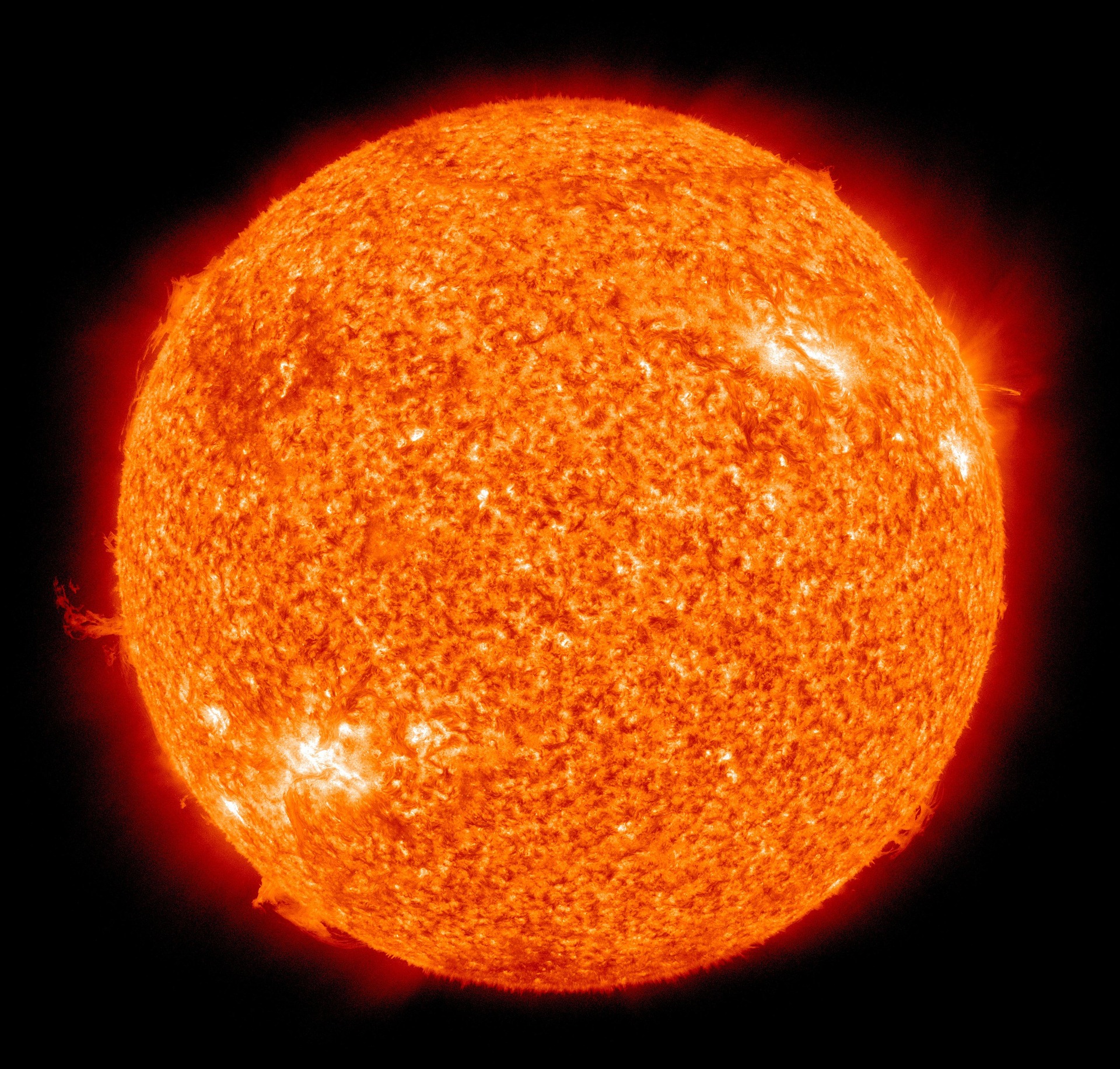
The Sun
(NASA/ESA)
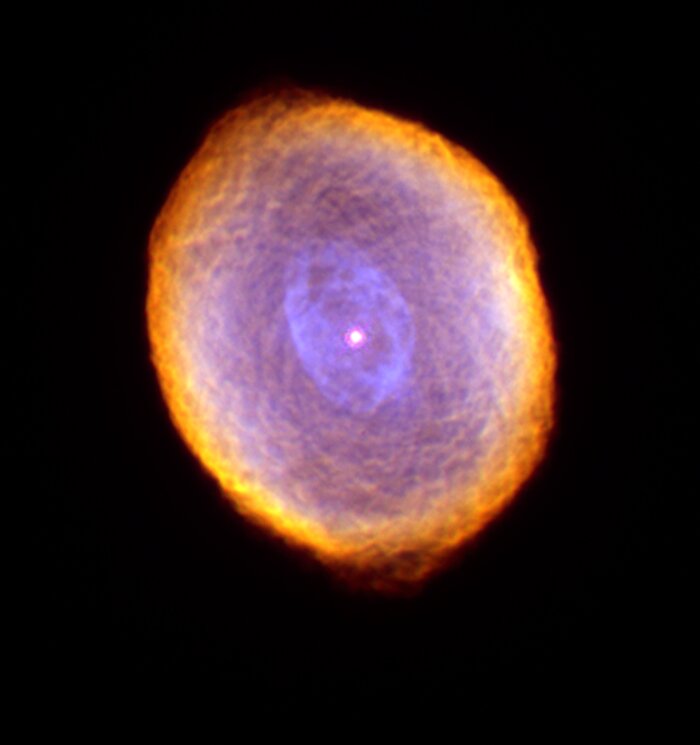
Spirograph Nebula
(NASA/ESA)
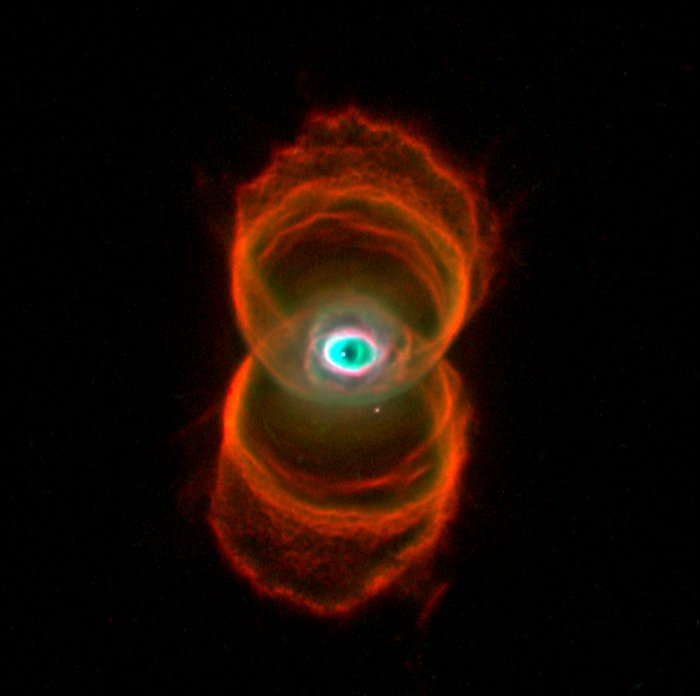
Hourglass Nebula
(NASA/ESA)
M-Type Star
Star Classification: M
Luminosity Classification: V
Temperature (K) : 3000
Mass: 0.08–0.45 M☉ (dwarfs); up to 40 M☉ (supergiants)
Elemental Composition: Hydrogen, Helium, titanium oxide
Description: Red Dwarfs below 3,900 K. The coolest and most common stars in the universe
Birth: Collapse of small clouds
Life: Red dwarfs; extremely long lifespans
☠️ Death: Slowly cool and fade
Reincarnation: Black dwarf (in trillions of years)
Example: Proxima Centauri, Barnard's Star
Luminosity Classes
Added to spectral types.
Indicates size & brightness:
- 0 or Ia+: Hypergiants
- I (Ia, Ib): Supergiants
- II: Bright Giants
- III: Regular Giants
- IV:Subgiants
- V: Main Sequence
- VI (sd): Subdwarfs
- D (VII): White Dwarfs
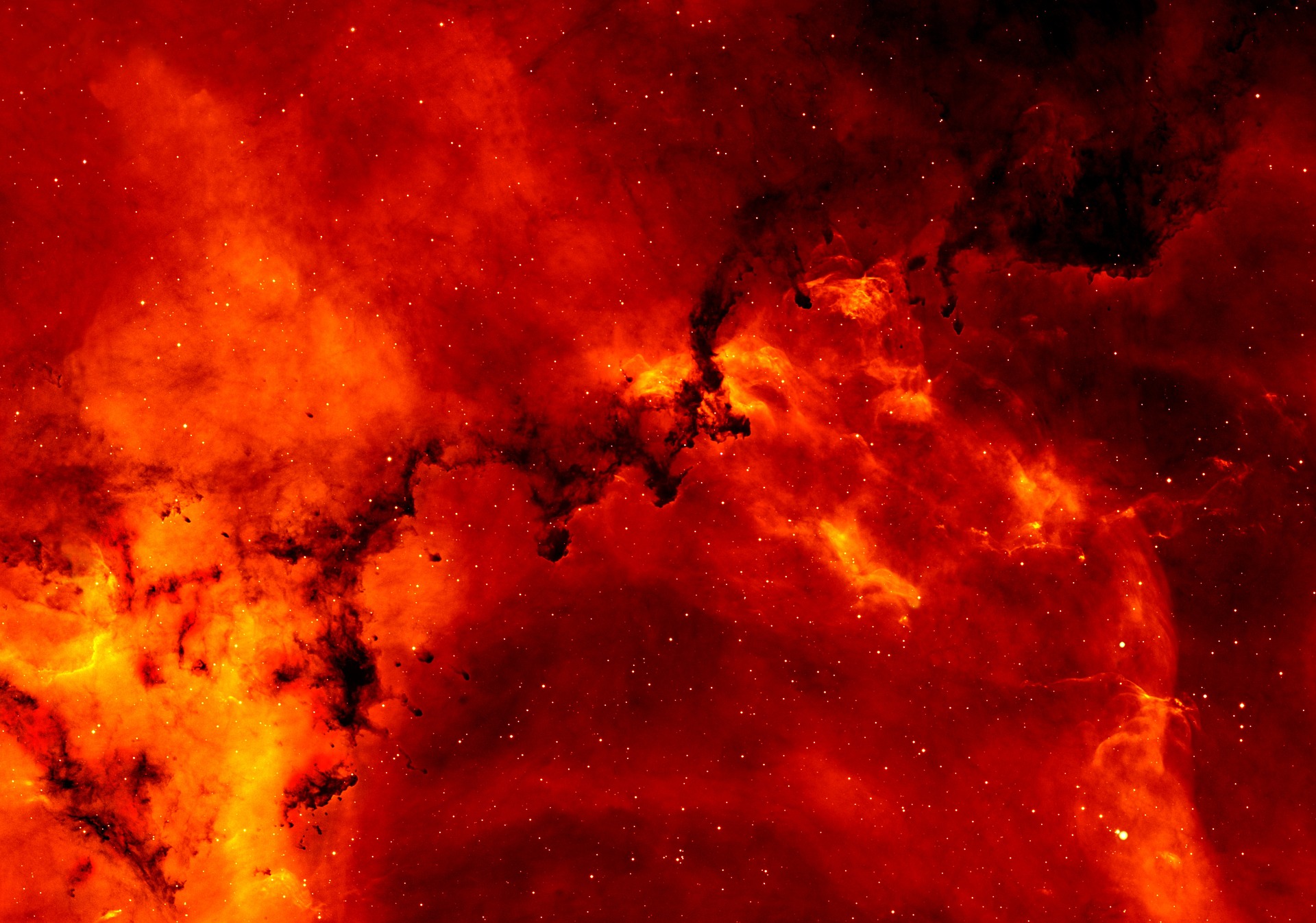
Galaxy in Orange
(Wiki Images)
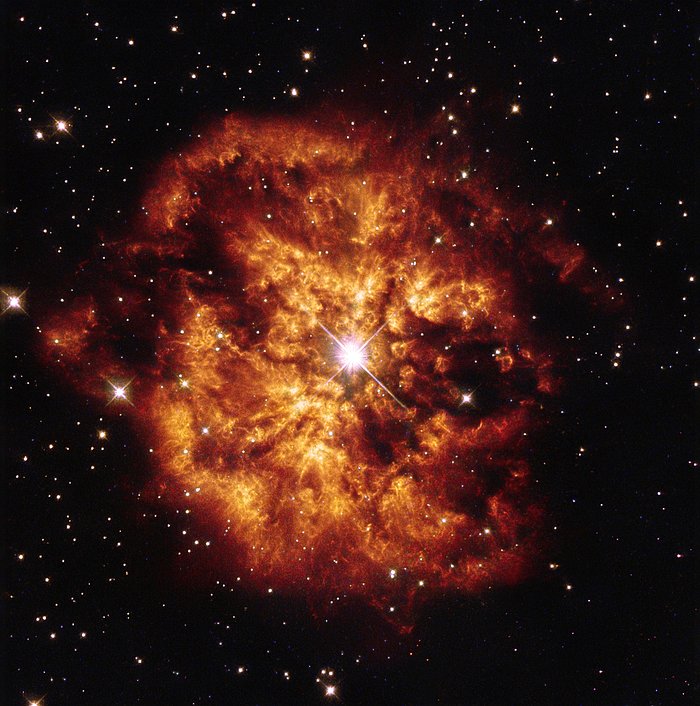
Wolf-Rayet Star
(NASA/ESA)
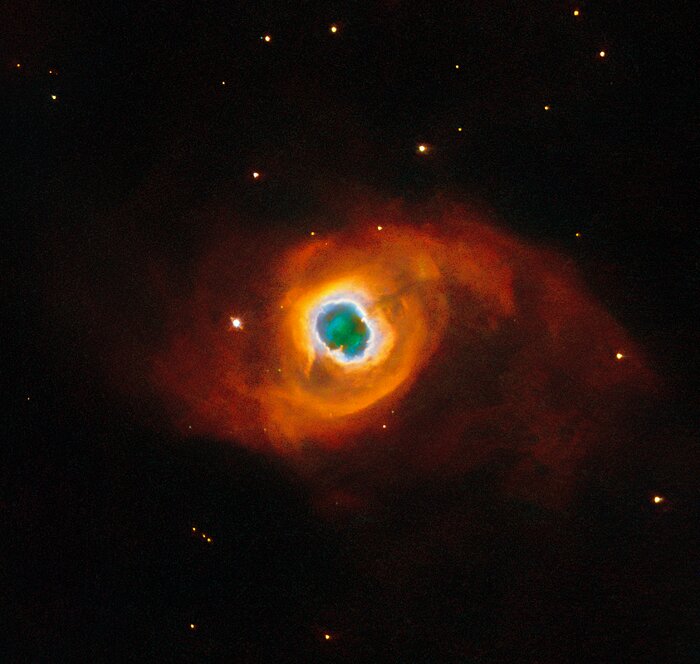
Planetary Nebula (PN K 4-55)
(NASA/ESA)