Ad Astra
M☉ Notation
Unit of measurement in
astronomy called the solar mass.
- M stands for Mass
- ☉ Astronomical Symbol/Sun
- 1 M☉, Benchmark unit
- Equal to mass of our Sun
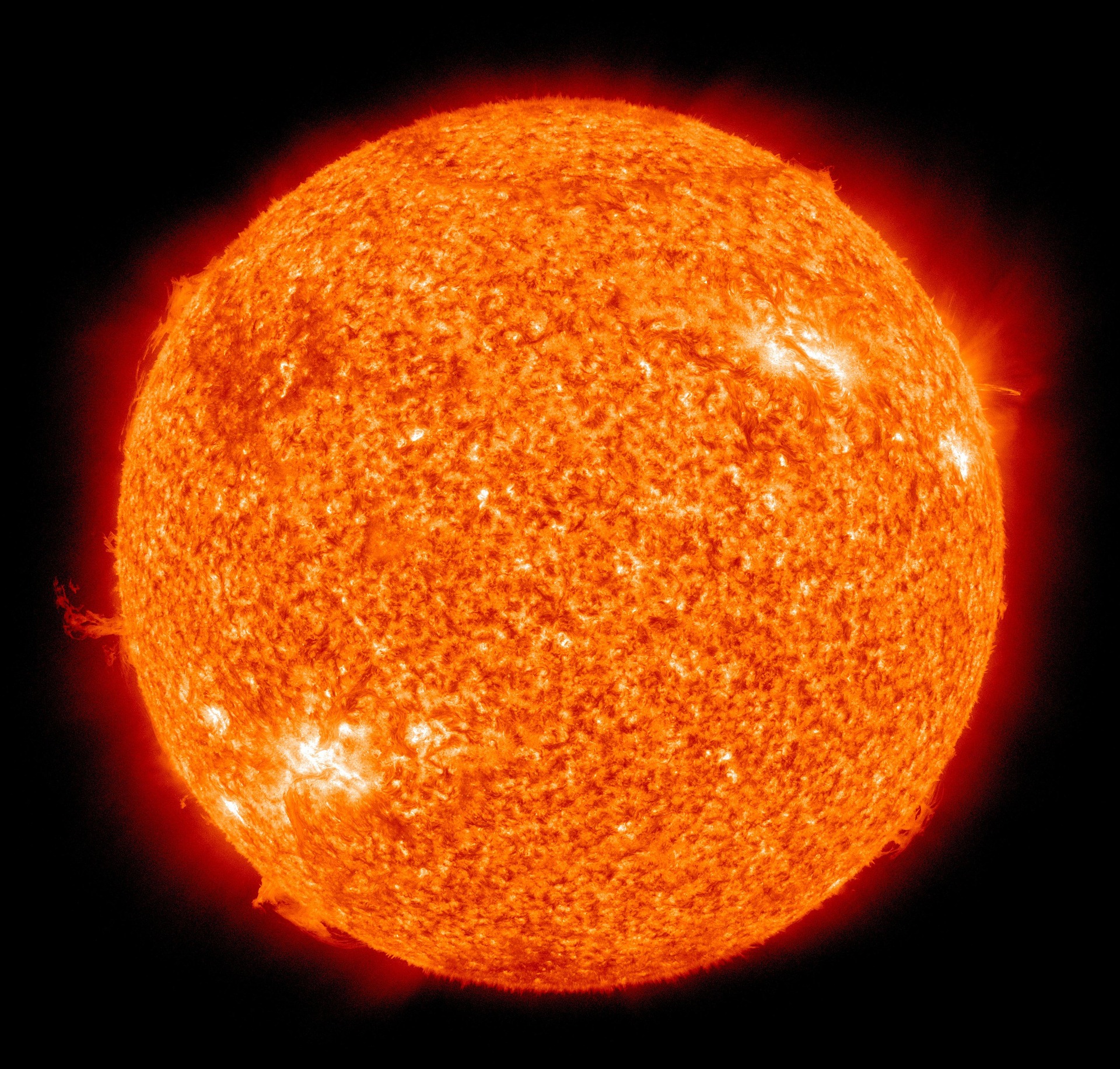
The Sun
(NASA/ESA)
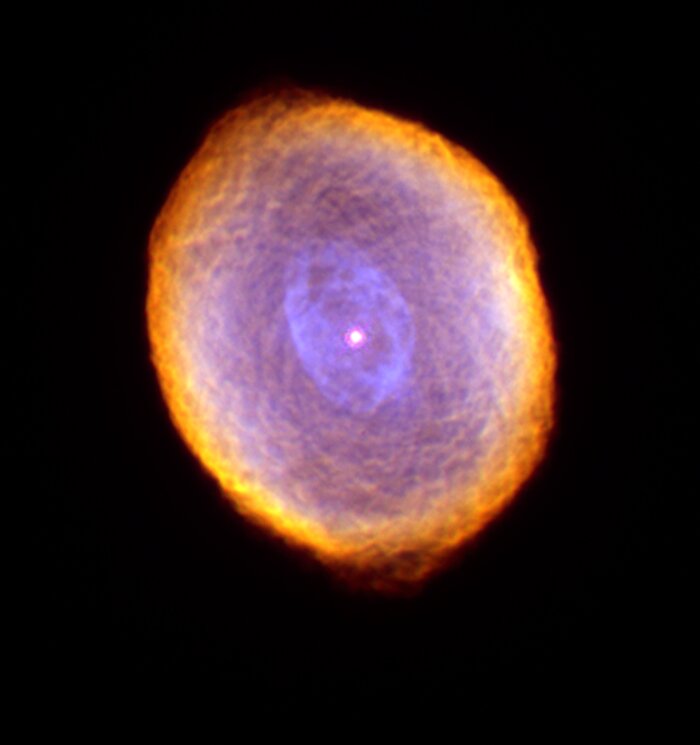
Spirograph Nebula
(NASA/ESA)
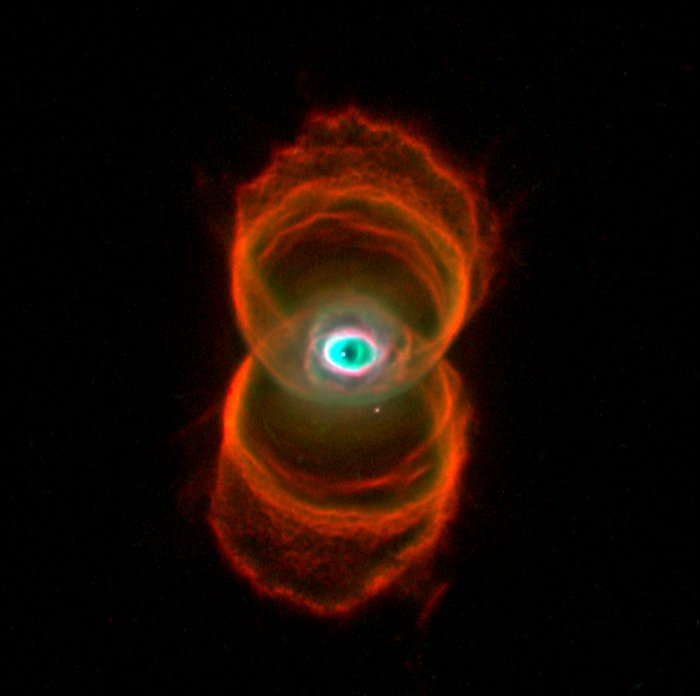
Hourglass Nebula
(NASA/ESA)
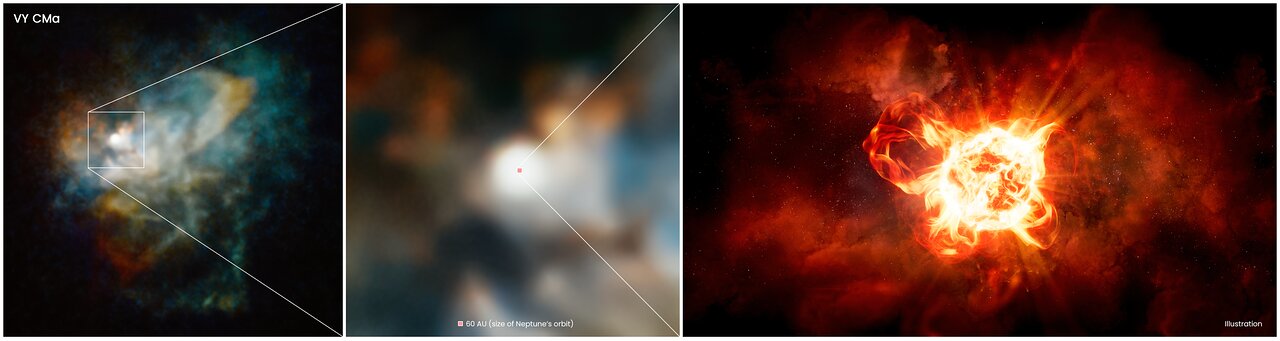
Red Supergiant
Star Classification: K-M
Luminosity Classification: I
Temperature (K) : 3500
Mass: 10–40 M☉ (moderately massive)
Elemental Composition: Hydrogen, Helium, carbon, oxygen, silicon
Description: Enormous, cool, extremely luminous stars nearing the end of their life cycle before supernova.
Birth: Massive star leaving main sequence
Life: Huge, cool, unstable outer layers
☠️ Death: Supernova
Reincarnation: Neutron star or black hole
Example: Betelgeuse, Antares
Luminosity Classes
Added to spectral types.
Indicates size & brightness:
- 0 or Ia+: Hypergiants
- I (Ia, Ib): Supergiants
- II: Bright Giants
- III: Regular Giants
- IV:Subgiants
- V: Main Sequence
- VI (sd): Subdwarfs
- D (VII): White Dwarfs
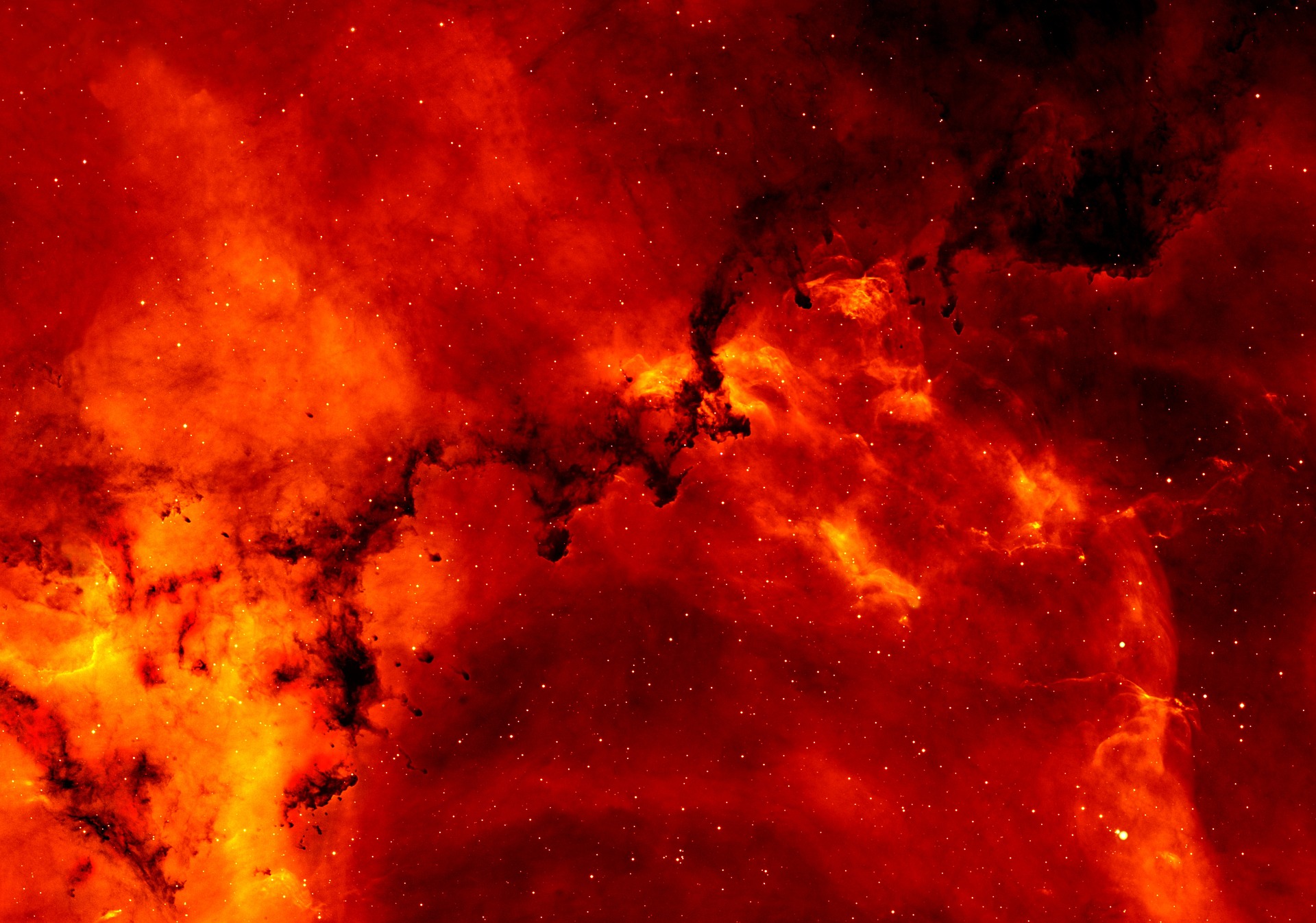
Galaxy in Orange
(Wiki Images)
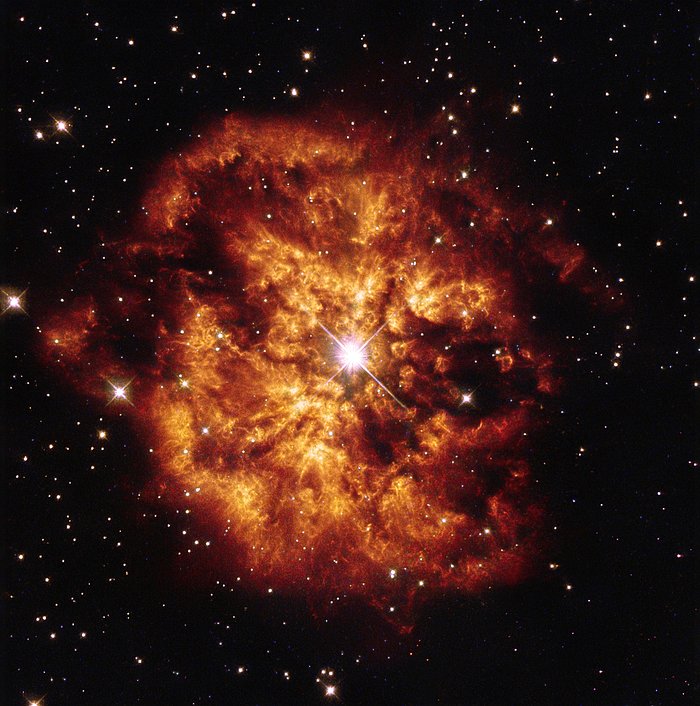
Wolf-Rayet Star
(NASA/ESA)
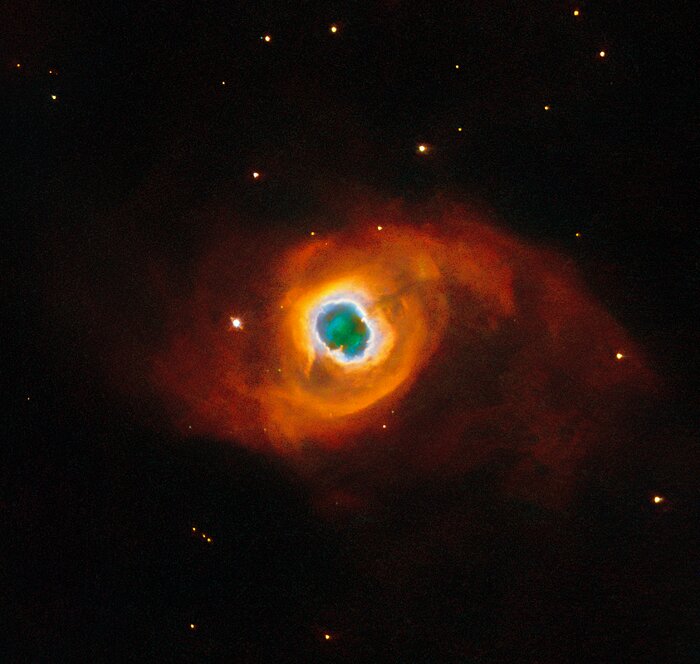
Planetary Nebula (PN K 4-55)
(NASA/ESA)