Ad Astra
M☉ Notation
Unit of measurement in
astronomy called the solar mass.
- M stands for Mass
- ☉ Astronomical Symbol/Sun
- 1 M☉, Benchmark unit
- Equal to mass of our Sun
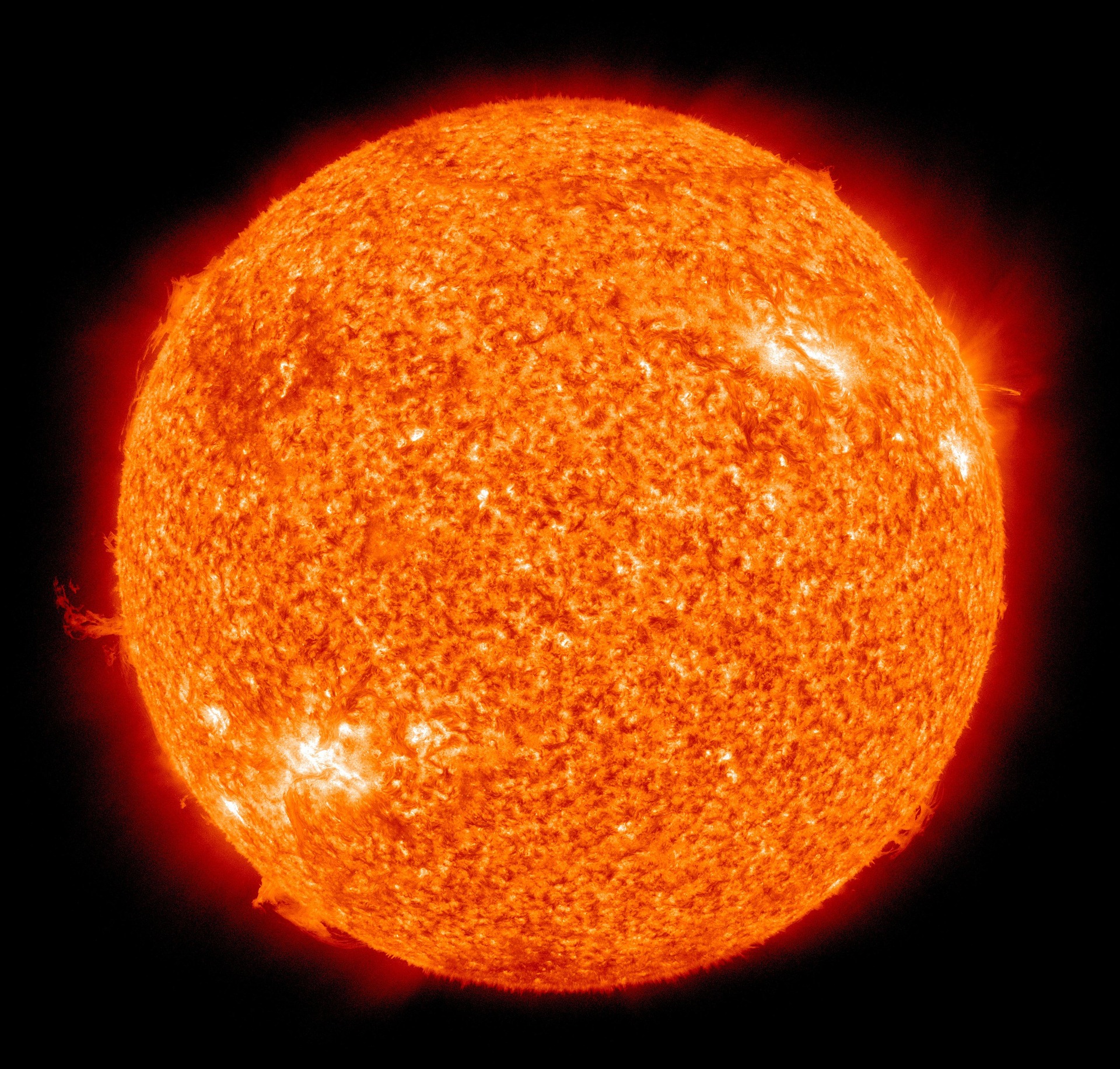
The Sun
(NASA/ESA)
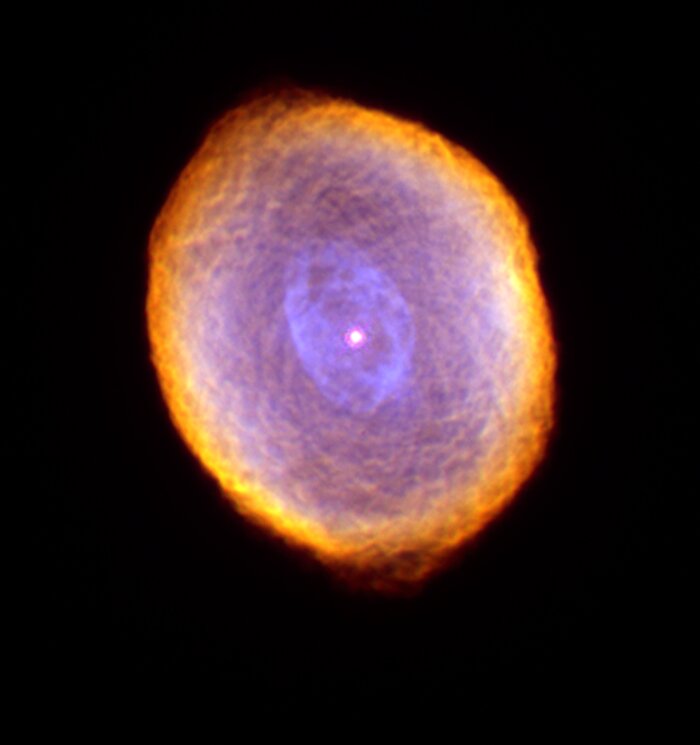
Spirograph Nebula
(NASA/ESA)
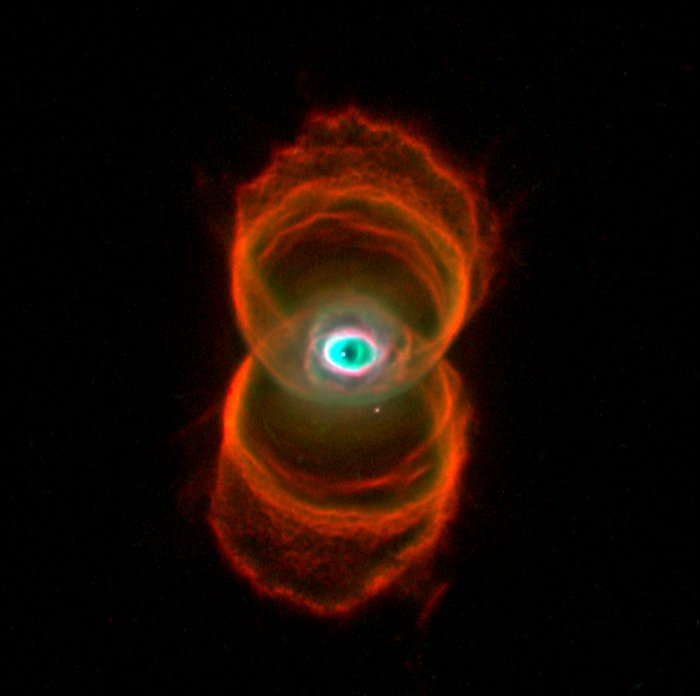
Hourglass Nebula
(NASA/ESA)
Millisecond Pulsars (MSPs)
Star Classification: Exotic/Remnant
Luminosity Classification: Power based
Temperature (K) : 1000000
Mass: 1.44–2.2 M☉ (up to the Tolman-Oppenheimer-Vokoff limit of ≈ 2.9 M☉)
Elemental Composition: Primarily neutrons, minor presence of protons, electrons, iron in its crust
Description: A subclass of pulsars with extremely fast rotational periods, typically between 1 and 10 milliseconds. They are often called "recycled pulsars".
Birth: Formed when an old neutron star is ""spun up"" by accreting matter from a binary companion.
Life: Extremely fast rotation (1–10 ms per spin); highly stable pulses used for precision timing.
☠️ Death: Gradual spin-down over billions of years.
Reincarnation: May become a slower, ordinary neutron star or merge in a binary system.
Example: PSR B1937+21, PSR J0437−4715
Luminosity Classes
Added to spectral types.
Indicates size & brightness:
- 0 or Ia+: Hypergiants
- I (Ia, Ib): Supergiants
- II: Bright Giants
- III: Regular Giants
- IV:Subgiants
- V: Main Sequence
- VI (sd): Subdwarfs
- D (VII): White Dwarfs
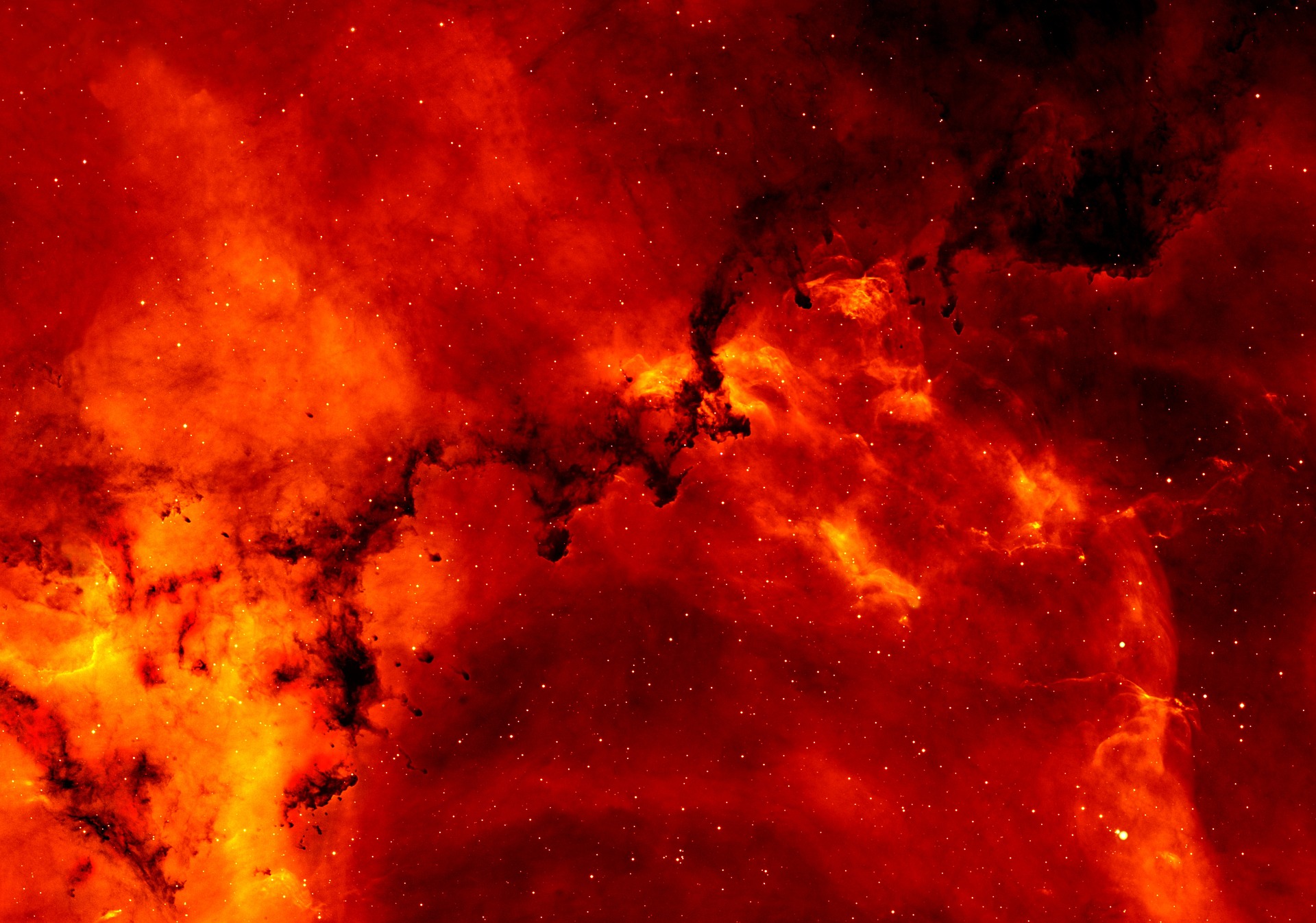
Galaxy in Orange
(Wiki Images)
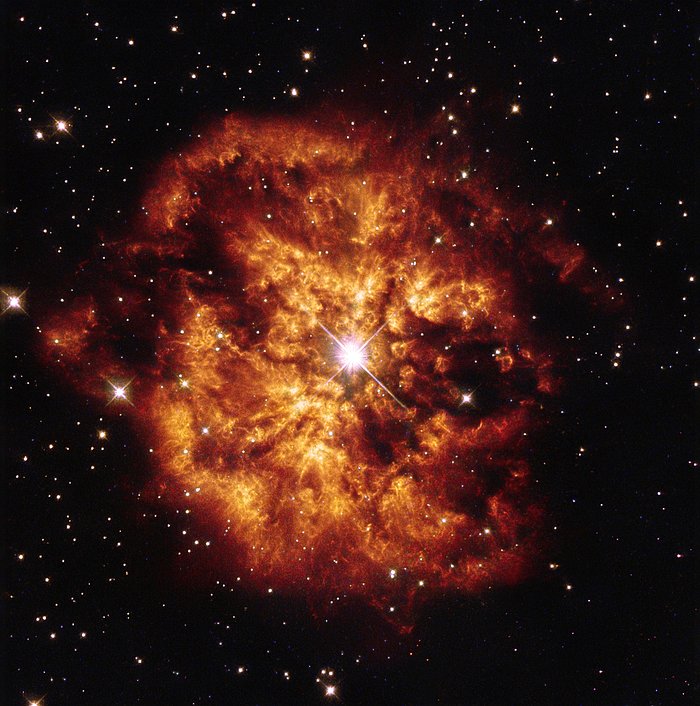
Wolf-Rayet Star
(NASA/ESA)
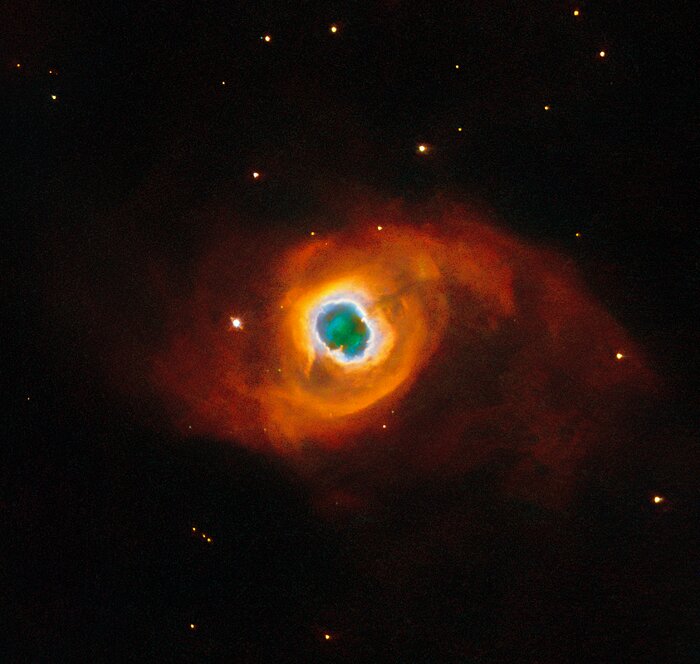
Planetary Nebula (PN K 4-55)
(NASA/ESA)